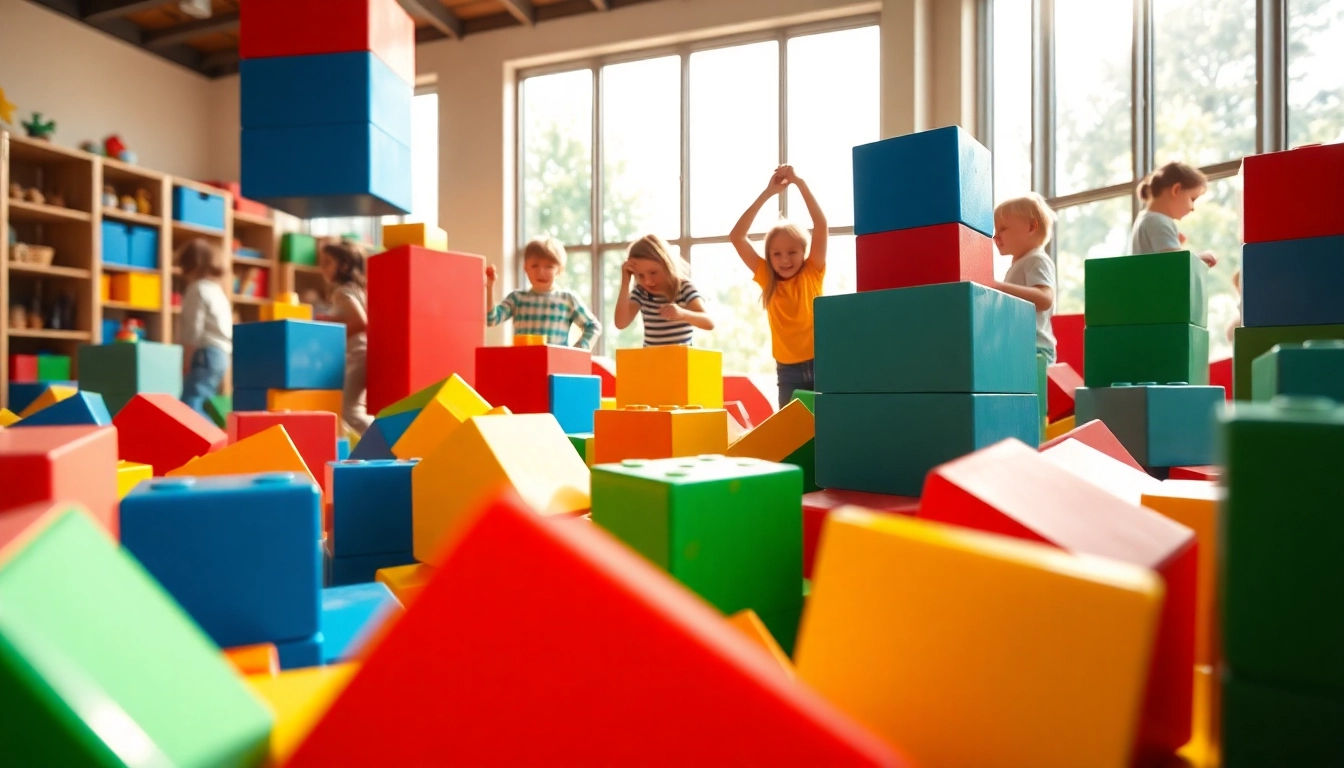
Introduction to Giant Building Blocks
Giant building blocks are more than just oversized toys; they represent a gateway to endless possibilities and creativity for children. These large, colorful blocks come in various shapes and sizes, designed to inspire imaginative play. Beyond offering hours of fun, they stimulate cognitive development, enhance motor skills, and foster social interaction. As parents or educators, understanding the importance of these tools not only enriches playtime but also supports comprehensive learning experiences. For a deeper exploration of how these building blocks can transform play and learning, discover more about their advantages and applications in various play scenarios.
What Are Giant Building Blocks?
Giant building blocks are oversized construction toys typically made from sturdy materials like foam or plastic. These blocks are designed in vibrant colors, encouraging children to engage in constructive play. With sizes often ranging from a few inches to several feet, they enable kids to stack, build, and create, allowing for a rich tactile experience. The blocks often come in different shapes such as rectangles, squares, and triangles, enabling children to construct anything from simple towers to elaborate forts. The primary goal of giant building blocks is to provide a versatile and safe means for children to explore their creativity while engaging in physical activity.
Benefits of Play with Large Blocks
Engaging with giant building blocks offers several developmental benefits for children, including:
- Cognitive Development: Building helps to enhance problem-solving skills and critical thinking as children figure out how to create stable structures.
- Motor Skills: Manipulating large blocks requires coordination and fine motor skills, which are crucial for overall physical development.
- Social Interaction: Building in groups fosters teamwork and communication, teaching children how to collaborate effectively.
- Imagination and Creativity: The open-ended nature of block play encourages children to use their imaginations, inventing stories and scenarios as they build.
Safety Considerations for Indoor Play
While giant building blocks are generally safe, there are specific considerations to ensure safe indoor play:
- Non-toxic Materials: Check for blocks made from child-safe materials, free of harmful chemicals and BPA.
- Soft Edges: Ensure blocks have rounded edges to minimize the risk of injury.
- Supervision: Always supervise young children during playtime, especially when constructing larger structures that may topple.
- Designated Play Area: Clear an area for play, avoiding hard furniture and obstacles that could present a hazard.
Engaging Activities with Giant Blocks
Crafting Structures: From Basics to Complex Designs
Building with giant blocks can range from simple activities to complex architectural designs. Begin by encouraging children to stack blocks to create stable towers. This foundational exercise teaches balance and gravity principles. Progress to more elaborate constructions such as bridges, houses, and castles, fostering engineering skills as they problem-solve how to make their structures withstand weight and pressure.
Themed Play Scenarios for Imagination Boost
Themed play scenarios can greatly enhance creativity and engagement. For instance, setting up a “superhero city” invites children to create buildings and vehicles related to their favorite characters. Alternatively, a “farmyard” theme can lead to imaginative storytelling as they construct barns and animal pens. By integrating themes, children can develop a narrative around their play, elevating the experience while they build and interact.
Incorporating Learning into Playtime
Giant building blocks can be used as educational tools as well. For instance, counting blocks enhances early numeracy skills, while sorting them by color or shape teaches categorization and critical thinking. Additionally, introducing engineering concepts like stability and balance can be both informative and fun. Activities can also include creating patterns or sequences with the blocks, laying a foundation for more advanced mathematical concepts.
Choosing the Right Giant Blocks
Materials and Durability: What to Look For
When selecting giant building blocks, materials play a crucial role in durability and safety. High-quality plastic or foam that is resistant to wear and tear ensures longevity, while soft materials prevent injury. Look for blocks that are waterproof and easy to clean, enhancing their usability both indoors and outdoors. Ensuring they have a solid construction helps withstand the imaginative yet intense use by children.
Size and Shape Variations Explained
Giant building blocks come in various sizes and shapes, each serving a unique purpose. Smaller blocks are excellent for intricate designs, while larger blocks foster substantial structures. Rectangular blocks provide a good base for stacking, while triangular blocks can introduce concepts of angles and gravity. A diverse collection allows children to explore different architectural styles, stimulating both their creativity and construction abilities.
Top Features That Enhance Play Value
Features that improve the play value of giant building blocks include:
- Bright Colors: Enhance visual appeal and attract attention, encouraging more engagement.
- Interactive Elements: Some blocks might include sounds, textures, or movable parts to create a more dynamic play experience.
- Storage Solutions: Blocks that come with a storage bin or bag make cleanup easier, encouraging children to take part in tidying up after playtime.
Family Bonding Through Block Play
Creating Collaborative Building Activities
Block play offers an excellent opportunity for families to engage in collaborative activities. Designing a project together, such as constructing a mini-town or a themed structure, encourages participation from all family members, promoting stronger family bonds. These collaborative projects foster shared experiences, leading to quality time spent cheering each other on as creations take shape.
Enhancing Communication and Teamwork Skills
Using giant blocks to create various structures teaches important communication skills as family members discuss their ideas and construction methods. During the building process, individuals must express their thoughts and consider others’ input, which enhances emotional intelligence. This teamwork aspect helps children learn how to collaborate effectively, laying the groundwork for successful future partnerships in both personal relationships and professional environments.
Celebrating Achievements: Playtime Showcases
Once family members have completed their building projects, hosting a playtime showcase can be an exciting way to celebrate achievements. This could involve presenting the final creations to friends or relatives, offering everyone a chance to recognize and acknowledge each other’s efforts. Such celebrations boost confidence and encourage children to take pride in their work, reinforcing the joy of creative expression and collective teamwork.
Frequently Asked Questions About Giant Building Blocks
How can giant building blocks benefit child development?
Giant building blocks enhance cognitive skills, fine motor development, and social interaction, fostering creativity and problem-solving abilities through imaginative play.
What age group is best suited for giant blocks?
Giant building blocks are ideal for children aged 2 and up, as they are designed to be safe and engaging for a broad range of developmental stages and abilities.
How do I ensure safe play with giant blocks?
Ensure safe play by supervising children, using blocks made from non-toxic materials, and designating a clear play area away from hard edges and furniture.
Can giant blocks be used outdoors?
Yes, many giant blocks are durable and weather-resistant, making them suitable for outdoor play while enhancing children's physical activity and outdoor exploration.
What’s the ideal storage solution for giant building blocks?
A storage bin or bag specifically designed for the blocks helps keep the toys organized and promotes responsibility among children for tidying up after playtime.