The Importance of Roof Cleaning
Proper maintenance of your home goes beyond mere aesthetics; it also safeguards your investment and enhances your living environment. One critical yet often overlooked aspect of home maintenance is Roof Cleaning. Regular roof cleaning not only ensures the longevity of your roofing materials but also significantly improves curb appeal, ultimately elevating the value of your property.
Understanding Roof Maintenance
Roof maintenance encompasses various activities aimed at prolonging the life of your roofing system. It involves routine inspections, repairs, and most importantly, cleaning. Over time, roofs accumulate dirt, debris, moss, algae, and other harmful substances that can jeopardize their integrity. Understanding these maintenance tasks allows homeowners to undertake timely actions that prevent costly repairs down the line.
Benefits of Regular Roof Cleaning
Regular roof cleaning offers multiple benefits:
- Longevity: Cleaning your roof removes harmful compounds that can wear down roofing materials. This can extend its lifespan and reduce the frequency of necessary replacements.
- Aesthetics: A clean roof vastly improves the appearance of your home, making it more inviting and potentially increasing its market value.
- Mold and Mildew Prevention: Algae, mold, and mildew can cause significant damage. They deteriorate roofing materials and lead to leaks, which can escalate repair costs.
- Energy Efficiency: A clean roof reflects sunlight better than a dirty one, helping to maintain cooler indoor temperatures and potentially reducing energy costs.
Impact on Home Value
Real estate is often termed location, location, location, but condition plays a crucial role as well. A clean roof not only enhances the home's aesthetic but also indicates a well-cared-for property to potential buyers. Homes with roofs in disrepair may fetch lower offers or sit on the market longer. Investing in roof cleaning could yield significant returns when it comes time to sell.
Common Roof Contaminants
Understanding what contaminants can harm your roof is essential for effective maintenance. Here are the most common culprits that necessitate roof cleaning.
Moss and Algae Growth
Moss and algae flourish in humid environments and can wreak havoc on your roof. They hold moisture against the roofing material, causing deterioration. Additionally, they may create unsightly patches that detract from your home’s visual appeal. Regular cleaning can help keep moss and algae at bay and preserve the integrity of your roofing system.
Environmental Impact on Roofs
Pollution, tree debris, and even bird droppings can lead to buildup on your roof. This environmental impact compounds as time progresses, leading to blocked drainage and potential leaks. Awareness of these factors is vital for proactive maintenance.
Identifying Signs of Damage
Not all roof damage is immediately visible. However, certain signs may indicate the need for cleaning or further inspection:
- Discolored patches on shingles or tiles
- Visible growth of moss, algae, or lichen
- Debris buildup in gutters or downspouts
- Leaks or water stains on ceilings or walls indoors
Methods of Roof Cleaning
There are various approaches to roof cleaning, each suited to specific types of contamination and roofing materials. Understanding these methods can help in choosing the right approach.
Soft Washing vs. Pressure Washing
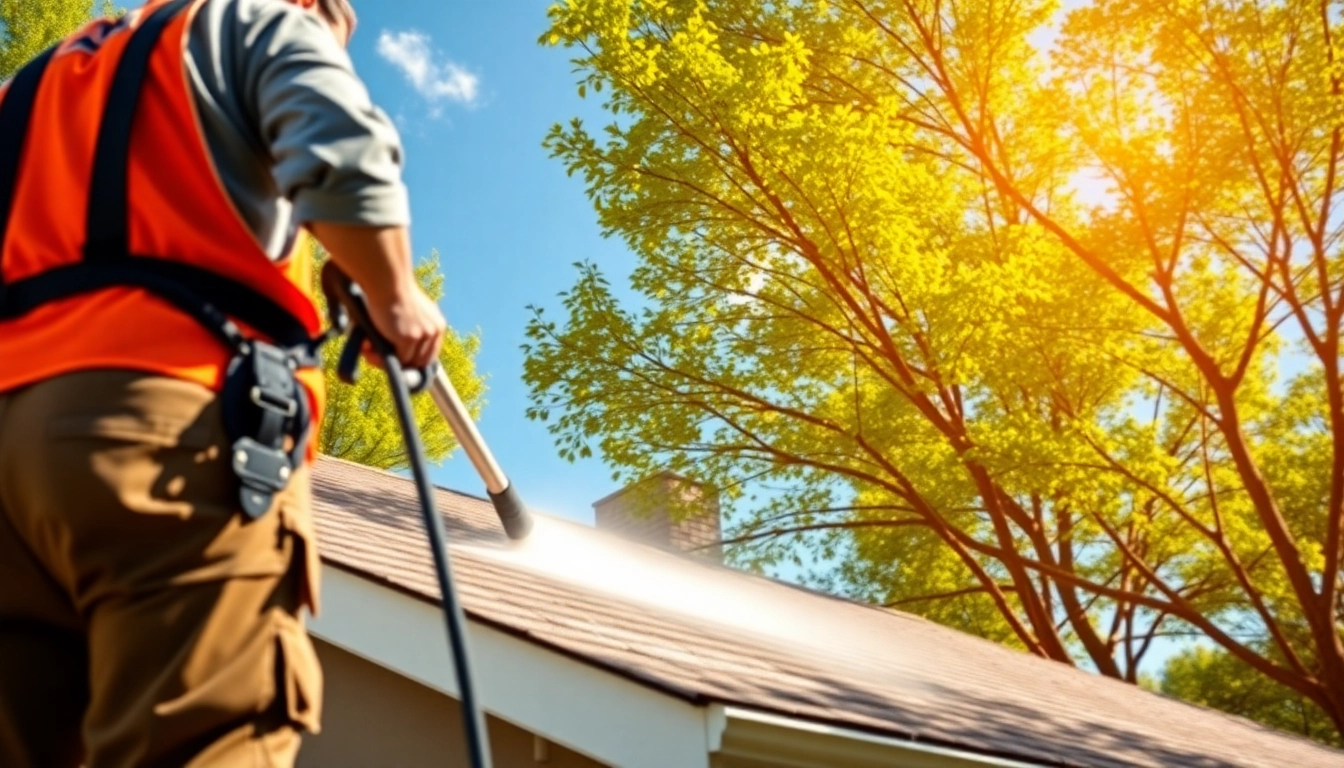
Professional cleaners typically employ two main methods for roof cleaning: soft washing and pressure washing.
- Soft Washing: Ideal for fragile roofing materials, soft washing uses low-pressure water combined with eco-friendly detergents to remove contaminants. This method minimizes the risk of damaging shingles while effectively eradicating algae and moss.
- Pressure Washing: Although effective on durable surfaces, pressure washing can be too harsh for most residential roofing materials. This technique can strip away protective granules, leading to accelerated wear.
Eco-Friendly Cleaning Solutions
As environmental concerns grow, more homeowners and professionals are opting for eco-friendly cleaning solutions. Many modern cleaning agents are biodegradable and help maintain the health of your roof while being safe for the surrounding environment, including plants and wildlife.
Choosing the Right Technique
Selecting the right cleaning method is crucial. Many factors influence this decision: roofing material, extent of contamination, and your home’s architecture. Consulting with a professional can provide tailored guidance that meets your specific needs.
Cost Considerations for Roof Cleaning
The cost of roof cleaning can vary widely based on several factors. Understanding these components can prepare homeowners for budget considerations.
Average Prices and Factors Influencing Cost
On average, homeowners can expect to pay between $300 to $1,500 for roof cleaning, depending on the size of the roof, type of contaminants, and the complexity of the job. Additional factors influencing cost may include:
- Roof Type: Different materials have different cleaning requirements.
- Location: Prices can vary based on geographical location and accessibility.
- Extent of Cleaning: Heavily soiled roofs will require more extensive cleaning, increasing the cost.
Finding the Right Professionals
When sourcing a roof cleaning service, it’s crucial to find a professional with a good reputation. Look for reviews, check their qualifications, and confirm they are insured. A thorough assessment of potential professionals can avert future headaches and expenses.
DIY Roof Cleaning: Pros and Cons
Some homeowners consider DIY cleaning as a cost-saving measure; however, this option comes with both advantages and disadvantages.
- Pros: Cost savings, control over the cleaning process, and flexibility in scheduling.
- Cons: Safety risks, potential for damaging roofing materials, and lack of professional-grade equipment.
Tips for Maintaining a Clean Roof
Ensuring your roof remains clean is an ongoing process. Here are several actionable tips.
Regular Inspections and Maintenance
Schedules inspections at least twice a year, ideally in spring and fall. During these inspections, look for signs of damage, debris, and the growth of moss or algae. Early detection can help you manage cleaning before significant problems arise.
Immediate Action After Severe Weather
Once severe weather passes, inspect your roof for debris, downed branches, or signs of leaks. Taking action promptly can prevent long-term damage and keep your roof in top condition.
Using Protective Coatings
Consider applying protective coatings after cleaning. These products can inhibit growth of algae and moss, extending the intervals between cleanings and preserving the roof's appearance.
FAQs about Roof Cleaning
1. How often should I have my roof cleaned?
It is generally recommended to clean your roof every 1-3 years, depending on your local climate and environmental factors.
2. Can I clean my roof myself?
While DIY cleaning can save money, it poses risks; you may damage the roof or injure yourself. It's best to hire professionals.
3. Is roof cleaning necessary?
Yes, cleaning is vital for maintaining the roof's integrity, preventing mold, and enhancing the property's curb appeal.
4. What are the signs that my roof needs cleaning?
Look for discolored patches, visible growths of moss or algae, or debris buildup in gutters. Any of these are indicators that your roof needs cleaning.
5. What is the best season for roof cleaning?
Spring and fall are typically the best times for roof cleaning, as weather conditions are more favorable for effective cleaning.