
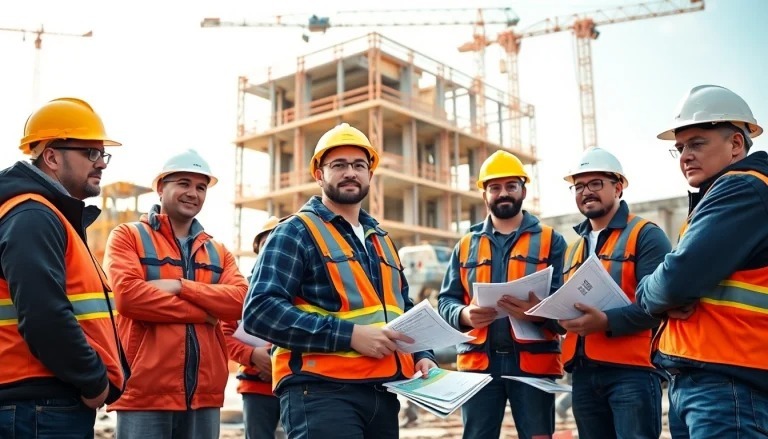
Texas construction advocacy plays a vital role in protecting the interests of contractors, builders, subcontractors, and construction professionals across the state. As the construction industry continues growing rapidly, Texas construction advocacy helps ensure that contractors have a strong voice in legislative, regulatory, and economic discussions that directly affect their businesses. Many industry leaders rely on Texas construction advocacy to address labor shortages, safety regulations, workforce development, and licensing requirements. Through organized efforts, Texas construction advocacy supports fair policies that encourage industry growth while protecting the rights of construction companies and workers. Contractors benefit greatly from Texas construction advocacy because it creates stronger communication between the construction industry and government decision-makers. In today’s competitive market, Texas construction advocacy also helps businesses stay informed about changing laws, compliance standards, and economic opportunities. Many construction firms participate in Texas construction advocacy initiatives to strengthen industry representation and improve long-term business stability. As infrastructure development and commercial construction continue expanding, Texas construction advocacy has become increasingly important for shaping policies that support contractors and construction professionals. Builders understand that Texas construction advocacy helps create better opportunities for growth, workforce training, and safer working conditions. Overall, Texas construction advocacy serves as a powerful force that strengthens contractor representation and supports the future success of the construction industry throughout Texas.
The Importance of Advocacy in the Construction Industry
The construction industry faces many challenges, including labor shortages, changing regulations, rising material costs, and safety compliance requirements. Without proper representation, contractors may struggle to communicate these concerns to lawmakers and regulatory agencies. Texas construction advocacy helps bridge this gap by representing the interests of construction professionals at local and state levels.
Advocacy organizations work to ensure that industry voices are heard during discussions about laws and policies that impact construction businesses. These efforts help contractors remain competitive while maintaining fair and practical industry standards.
Why Contractors Need Representation
Construction companies operate in a highly regulated environment where policy changes can significantly affect daily operations. Issues such as taxes, licensing rules, environmental regulations, and labor laws all influence how contractors manage projects and employees.
Texas construction advocacy gives contractors access to organized representation that helps protect their interests and improve communication with policymakers.
Supporting Fair Industry Regulations
Regulations are necessary for maintaining safety and professionalism within the construction industry. However, excessive or unclear regulations can create financial and operational challenges for contractors. Texas construction advocacy works to support balanced policies that protect workers and consumers without placing unnecessary burdens on businesses.
Advocacy groups often collaborate with lawmakers to improve construction-related legislation and ensure regulations remain practical for contractors of all sizes.
Reducing Unnecessary Compliance Burdens
Complicated compliance requirements can increase project costs and slow down construction timelines. Advocacy organizations help identify areas where regulations may create unnecessary difficulties for contractors.
Through active representation, Texas construction advocacy encourages smarter policies that support business growth while maintaining high industry standards.
Strengthening Workforce Development Efforts
One of the biggest challenges facing the construction industry is the shortage of skilled workers. Texas construction advocacy supports workforce development programs that help attract and train the next generation of construction professionals.
Advocacy efforts often focus on expanding apprenticeship opportunities, trade education, and career awareness initiatives. These programs help students and workers gain valuable construction skills needed for long-term career success.
Promoting Construction Careers
Many advocacy organizations work to improve public understanding of construction careers. They promote the benefits of skilled trades and encourage younger generations to consider opportunities in the industry.
Texas construction advocacy helps create partnerships between schools, training centers, and construction companies to strengthen workforce pipelines and address labor shortages.
Improving Workplace Safety Standards
Safety remains one of the most important priorities within the construction industry. Advocacy organizations support policies and programs that improve workplace safety while helping contractors maintain compliance with OSHA standards.
Texas construction advocacy encourages the development of training programs, safety certifications, and educational resources that reduce workplace accidents and improve jobsite awareness.
Supporting Safety Education
Safety education helps workers understand jobsite hazards and proper procedures for accident prevention. Advocacy groups often promote ongoing safety training to help contractors maintain safer work environments.
Construction companies that participate in safety-focused advocacy initiatives often experience fewer injuries, stronger compliance records, and improved worker confidence.
Protecting Contractors During Legislative Changes
Legislative decisions can directly impact construction companies in areas such as taxation, labor laws, insurance requirements, and project regulations. Texas construction advocacy ensures that contractors have representation during these discussions.
Advocacy organizations monitor proposed laws and communicate industry concerns to lawmakers. This process helps ensure that new legislation considers the real-world challenges faced by contractors and builders.
Keeping Contractors Informed
Many contractors do not have the time or resources to track every legislative development affecting the industry. Advocacy groups provide updates, educational resources, and guidance that help businesses stay informed about important policy changes.
Access to timely information allows contractors to prepare for new regulations and adjust business strategies more effectively.
Encouraging Economic Growth and Industry Expansion
The construction industry contributes significantly to the Texas economy through infrastructure development, housing construction, and commercial projects. Texas construction advocacy supports economic growth by promoting policies that encourage investment and development opportunities.
Advocacy organizations often work with government agencies and industry leaders to support transportation projects, energy infrastructure, and community development initiatives.
Supporting Infrastructure Investment
Infrastructure improvements create major opportunities for contractors and construction workers. Advocacy efforts help secure funding and policy support for roads, schools, hospitals, and public facilities.
These projects not only strengthen local economies but also create jobs and long-term business opportunities for construction companies across Texas.
Building Stronger Industry Networks
Networking and collaboration are important parts of successful construction businesses. Texas construction advocacy helps contractors connect with industry leaders, suppliers, training organizations, and policymakers.
Industry events, conferences, and association meetings create opportunities for professionals to share knowledge, discuss challenges, and build business relationships.
Creating Opportunities for Collaboration
Advocacy organizations encourage collaboration between contractors, subcontractors, engineers, architects, and government agencies. Strong industry relationships help improve communication and support project success.
Construction companies that participate in advocacy networks often gain valuable insights and access to new business opportunities.
Helping Small Contractors Compete
Small and mid-sized contractors often face greater challenges when competing with larger companies. Texas construction advocacy helps ensure that smaller businesses receive fair representation and access to opportunities within the industry.
Advocacy groups work to support policies that promote fair bidding processes, workforce training access, and reasonable compliance requirements for businesses of all sizes.
Providing Resources and Guidance
Smaller contractors may need additional support in areas such as legal compliance, workforce recruitment, and safety management. Advocacy organizations provide educational resources and professional guidance that help businesses operate more effectively.
This support allows smaller construction companies to remain competitive in growing markets.
Strengthening Communication Between Industry and Government
Effective communication between construction professionals and government officials is essential for creating fair and practical policies. Texas construction advocacy helps facilitate these discussions by representing contractor concerns and promoting industry priorities.
Advocacy organizations often participate in public hearings, legislative meetings, and policy discussions to ensure construction professionals have a voice in decision-making processes.
Representing Industry Interests
Construction companies depend on advocacy groups to communicate industry challenges and opportunities to lawmakers. These organizations help policymakers better understand how regulations and economic decisions affect contractors and workers.
Stronger communication leads to better collaboration and more balanced policy outcomes.
Supporting Long-Term Industry Stability
The construction industry must adapt continuously to economic changes, technological advancements, and workforce challenges. Texas construction advocacy helps create long-term stability by promoting policies that support sustainable growth and professional development.
Advocacy initiatives encourage investment in education, safety, infrastructure, and workforce expansion, helping ensure the future strength of the industry.
Preparing for Future Challenges
Construction companies face evolving demands related to technology, environmental regulations, and labor market conditions. Advocacy organizations help contractors prepare for these changes through education, policy support, and industry collaboration.
Businesses that stay engaged in advocacy efforts are often better positioned for long-term success.
Conclusion
Texas construction advocacy plays a critical role in strengthening contractor representation and supporting the overall success of the construction industry. From improving workforce development and workplace safety to protecting contractors during legislative changes, advocacy efforts provide valuable benefits for construction businesses across Texas.