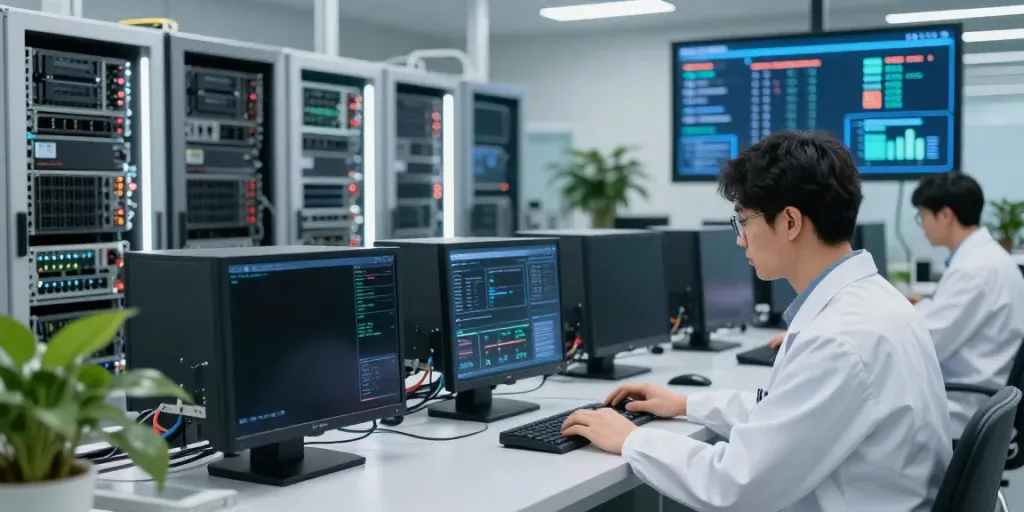
Understanding AI Inference
As the digital landscape continues to evolve, the integration of artificial intelligence (AI) is becoming more prevalent across various sectors. At the heart of this technological advance lies the concept of AI inference, which refers to the functionality that allows AI models to make predictions based on new data inputs. This article delves into the complexities of AI inference, its pivotal role in the burgeoning AI token economy, and how effective power management is crucial to optimizing its operations.
What is AI Inference?
AI inference is the process by which a trained AI model applies its knowledge to new, unseen data. This action typically follows the training phase, where the model learns to recognize patterns and make predictions based on historical data. In essence, inference is the critical phase where the model's capabilities are put to the test, as it generates outputs based on the inputs it receives. For example, an AI model trained on images of cats and dogs can classify a new image as either a cat or a dog based on patterns it learned during training.
The Role of AI Inference in the AI Token Economy
AI inference is central to the AI token economy, which revolves around the use of tokens to measure and bill AI services based on their computational usage. These tokens represent the processing required for inference tasks, creating a direct connection between energy expenditure and AI workload performance. Each request sent to an AI model generates input tokens that are processed through GPUs (graphics processing units), resulting in output tokens representing the model's response.
Key Technologies Driving AI Inference
Several technological advancements are facilitating the efficiency of AI inference. These include powerful hardware such as GPUs, optimized software algorithms, and efficient power management systems. GPUs, in particular, are essential due to their parallel processing capabilities, allowing multiple computations to occur simultaneously. Additionally, innovations like edge computing and cloud-based infrastructure are enhancing the accessibility and scalability of AI inference operations.
Power Plans for AI Inference Operations
To effectively harness the potential of AI inference, participants in the AI token economy must consider their energy requirements. This is where AI Infrastructure Power Plans come into play. These plans are designed to support the necessary power and computing resources, ensuring that AI workloads can operate efficiently and sustainably.
Types of AI Infrastructure Power Plans
AI Infrastructure Power Plans are categorized based on varying levels of power support and operational needs. Common plans include:
- Core Power Access: Basic plan ideal for entry-level participants.
- Enhanced Power Access: Offers additional resources for moderate-level operations.
- Advanced Power Access: Tailored for high-performance AI workloads.
- Professional Power Scale: Designed for professionals looking to expand their capacity.
- High Power Efficiency: Optimized for cost-effective energy usage.
- Enterprise Power System: Comprehensive resources for large-scale operations.
Choosing the Right Power Plan for Your Needs
When selecting a power plan, it’s important to assess your operational requirements, budget constraints, and expected growth. A thorough analysis of your AI inference workload will help you determine which plan aligns best with your needs. Consider factors such as the expected token generation and the type of AI models you intend to deploy.
Cost Analysis of AI Inference Power Plans
Understanding the cost implications of different power plans is essential for sustainable participation in the AI token economy. Each plan typically includes a base rate for energy consumption, with additional costs related to support services and infrastructure maintenance. By analyzing projected electricity costs against anticipated rewards from AI token generation, you can effectively gauge the return on investment for your chosen plan.
Measuring and Optimizing Power Contributions
One of the key aspects of participating in the AI token economy is measuring your power contributions accurately. This involves tracking metrics related to energy usage and token processing.
How to Track Power Consumption Metrics
Participants can utilize a variety of tools and platforms to monitor their power consumption effectively. Metrics should include total energy consumed, power peak times, and token processing efficiency. Advanced analytics can provide insights into usage trends and help optimize resource allocation for future operations.
Understanding Contribution Tracking and Rewards
Contribution tracking is the process of recording and calculating the contributions participants make to the AI infrastructure. Each settlement period involves a detailed analysis of power consumption and token activity associated with your plan. This process is crucial for determining eligibility for rewards based on your share of total operations and costs incurred during the period.
Best Practices for Power Efficiency
To optimize your contribution and rewards, consider implementing best practices for energy efficiency. This includes:
- Scheduling AI Tasks: Run inference tasks during off-peak hours to reduce energy costs.
- Resource Allocation: Allocate resources dynamically based on workload to minimize waste.
- Continuous Monitoring: Utilize software tools for real-time monitoring to identify and address inefficiencies promptly.
Real-World Applications of AI Inference
AI inference applications span various industries, showcasing its versatility and impact on operational efficiency.
Case Studies of Successful AI Inference Deployments
Numerous organizations have successfully implemented AI inference strategies to enhance their operations. For instance, retail giants like Amazon utilize AI inference for inventory management, predicting customer purchase patterns with remarkable accuracy. In healthcare, AI inference is being applied to predict patient outcomes and enhance diagnostic processes, leading to better patient care.
Common Challenges in AI Inference Implementation
While the benefits are substantial, organizations often encounter challenges during the implementation of AI inference systems. Issues such as data privacy concerns, infrastructure costs, and the complexity of model deployment can hinder progress. Organizations need to address these challenges through strategic planning and robust policy frameworks.
Future Trends in AI Inference Applications
The future of AI inference is expected to be shaped by advancements in quantum computing and federated learning, which can enhance predictive capabilities and data security. Additionally, the growth of autonomous systems will further necessitate real-time AI inference, paving the way for innovative applications in various sectors.
Frequently Asked Questions about AI Inference
What is the difference between AI inference and training?
AI training involves creating and refining models using historical data, while inference is the application of these models to new data to generate predictions or insights.
How does electricity facilitate AI inference?
Electricity is essential for powering the GPUs and servers that run AI inference models, enabling them to process data and produce outputs effectively.
What are the benefits of participating in AI infrastructure?
Participating in AI infrastructure not only allows for financial rewards through token generation but also contributes to the overall development and efficiency of AI technology.
Can individuals join the AI Token Economy?
Yes, individuals can participate in the AI token economy through various power plans that enable them to support AI infrastructure without the need for managing physical hardware.
How are rewards for AI inference calculated?
Rewards are calculated based on the proportionate value of token processing and power contributed during a settlement period, accounting for operational costs.