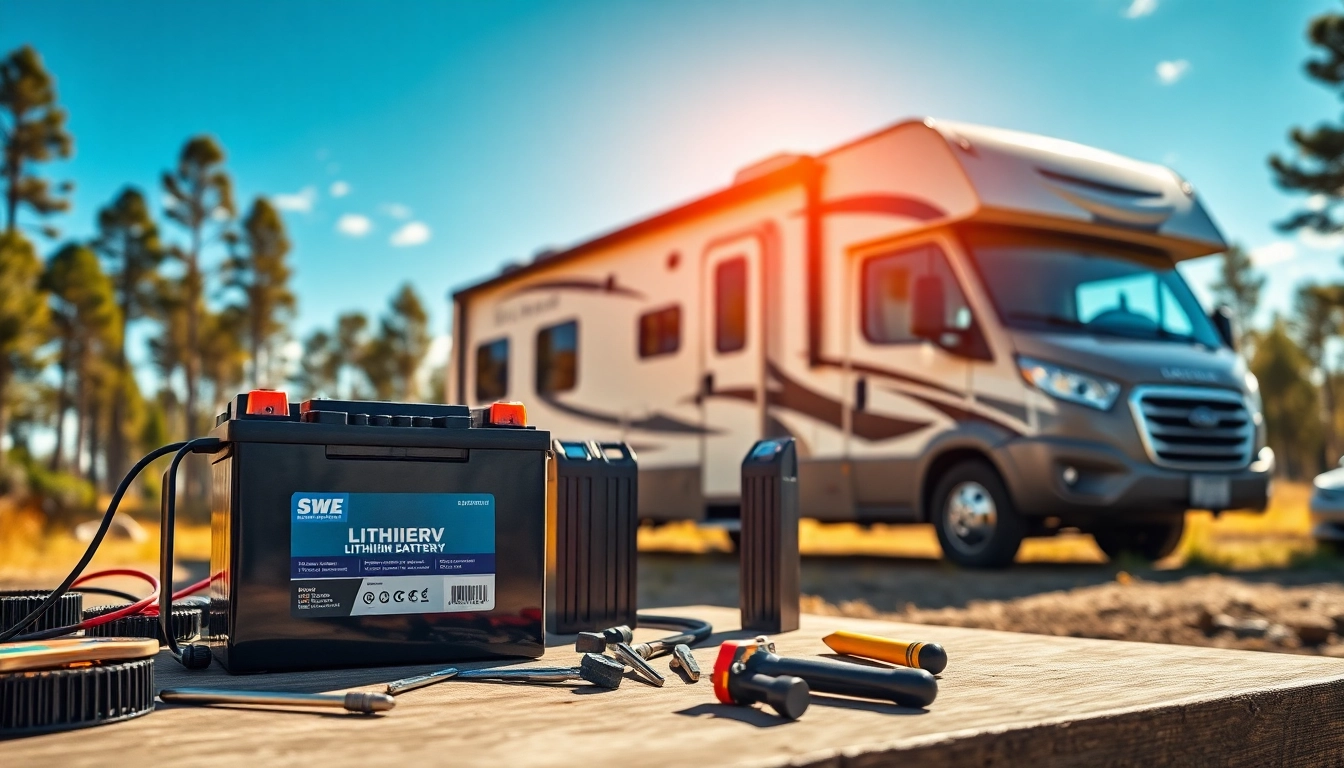
1. Understanding Lithium RV Batteries
1.1 What are Lithium RV Batteries?
Lithium RV batteries, primarily composed of lithium iron phosphate (LiFePO4), are advanced energy storage solutions designed specifically for recreational vehicles (RVs) and campers. Their chemistry provides a far more efficient power source than traditional lead-acid batteries, allowing for deeper discharges without significantly affecting the battery life. With their lightweight and compact design, lithium RV batteries have become increasingly popular among RV enthusiasts who seek dependable power for extended adventures on the road.
1.2 Benefits of Lithium RV Batteries
The benefits of using lithium RV batteries are numerous. Firstly, they boast a significantly higher energy density, meaning they can store more power in a smaller, lighter package. This is especially advantageous for RVers, as it allows for carrying more equipment or supplies without worrying about the battery's contribution to overall weight. Moreover, Vatrer Power lithium RV batteries have an exceptional cycle life—approximately 2000 to 5000 cycles—far outlasting the average lead-acid battery. This translates into less frequent replacements and lower long-term costs. The discharge rates of lithium batteries are also superior, offering consistent power even as their charge begins to deplete. This reliability allows for more comfort and convenience when managing electrical needs in an RV.
1.3 Common Misconceptions About Lithium RV Batteries
Despite their advantages, several misconceptions persist about lithium RV batteries. Many believe that they are prohibitively expensive, overlooking their long-term savings through improved lifespan and efficiency. Additionally, the notion that lithium batteries cannot function in extreme temperatures is inaccurate; while performance may be affected, modern batteries come equipped with built-in temperature management systems to mitigate these issues. Understanding these aspects can help users overcome hesitation in transitioning from conventional battery types.
2. Key Features of Lithium RV Batteries
2.1 Cycle Life and Durability
The cycle life of 12V 300Ah Lithium Battery is a standout feature. Unlike lead-acid batteries, which are usually limited to around 300-500 cycles, lithium batteries can provide at least 2000 cycles, maintaining substantial performance throughout. This increased lifespan not only leads to less frequent replacements but also enhances overall sustainability as fewer batteries end up in landfills. For RVers looking to invest in the long haul, this durability is a significant factor that can’t be overlooked.
2.2 Weight and Size Advantages
The weight of lithium RV batteries is considerably lower than that of lead-acid alternatives. A lithium battery can weigh up to 70% less than a traditional battery of similar capacity, giving RV owners more flexibility in vehicle weight distribution while also freeing up valuable cargo space. This weight savings often allows RVers to maintain or increase their load capacity without compromising on power supply.
2.3 Safety Features of Lithium RV Batteries
Safety is a paramount concern for RV users, particularly when dealing with portable power sources. Lithium RV batteries are equipped with advanced safety features to prevent overheating, short-circuiting, and overcharging. Many models include built-in Battery Management Systems (BMS) that monitor each cell's performance, ensuring the battery operates within its safe limits. Additionally, unlike traditional batteries, lithium batteries do not emit explosive hydrogen gases during charging, making them safer for use in an enclosed environment.
3. Choosing the Right Lithium RV Batteries
3.1 Capacity Options and Ratings
When selecting a lithium RV battery, it's essential to understand capacity ratings, typically expressed in amp-hours (Ah). For RV applications, common sizes range from 100Ah to 400Ah, depending on energy needs. It's crucial to calculate the total power requirements of all devices you plan to run to ascertain the necessary capacity. For instance, rigorous usage might necessitate a larger capacity battery, while more casual trips might allow for smaller units.
3.2 Voltage Considerations for Different RVs
Most RV systems operate on either 12V or 24V, and selecting a battery that matches this requirement is essential for seamless integration. Lithium RV batteries are available in various configurations; choosing a compatible voltage will ensure optimal performance and avoid potential damage to your system. Conversion kits are also available to aid those looking to make the switch from lead-acid to lithium systems comfortably.
3.3 Installation Requirements and Best Practices
Successful installation of lithium RV batteries involves more than just fitting a battery in place. Always ensure compatibility with the RV electrical system, including any inverters, chargers, and solar panels. Following manufacturer guidelines for installation will help prevent malfunctions and enhance efficiency. Additionally, wallet-friendly options exist for battery monitoring systems that track power use and battery health, which can be invaluable for effective RV management.
4. Frequently Asked Questions About Lithium RV Batteries
4.1 Are lithium RV batteries worth the investment?
Yes, for many RV owners, lithium RV batteries are worth the investment as they offer longer lifespan, higher usable capacity, and faster charging compared to lead-acid alternatives, ultimately resulting in cost savings over time.
4.2 How long does a lithium RV battery last?
A lithium RV battery can last anywhere from 2000 to 5000 cycles depending on usage, making it significantly more durable than traditional batteries, which typically last around 300-500 cycles.
4.3 Can I use lithium batteries with my existing RV setup?
Yes, lithium batteries can be used in existing RV systems with some adjustments for compatibility, such as ensuring the charger and inverter are suitable for lithium technology.
4.4 What is the ideal temperature range for lithium RV batteries?
The ideal temperature range for lithium RV batteries is between 32°F to 113°F (0°C to 45°C). Extreme temperatures can affect performance, yet many modern lithium batteries come with protection against unexpected conditions.
4.5 Can I charge a lithium RV battery using solar power?
Absolutely! Lithium RV batteries are highly compatible with solar charging systems, allowing for sustainable energy use during trips, extending the duration of off-grid adventures.
5. Maintenance and Care for Lithium RV Batteries
5.1 Best Practices for Lifespan Extension
To maximize lifespan, maintain lithium RV batteries by keeping them at a stable temperature, avoiding full discharge, and storing them at a partial charge if not in use for extended periods. Periodically checking connections and updating firmware for built-in management systems can also lead to enhanced performance.
5.2 Troubleshooting Common Issues
Common issues include capacity fading and charging problems. If the battery fails to hold a charge, inspect connections and ensure the BMS is functioning correctly. Consult the manufacturer for advanced troubleshooting if problems persist.
5.3 Upgrading and Future-Proofing Your RV Battery
As technology advances, upgrading lithium RV batteries can provide significant benefits. Many users opt for systems that are compatible with future enhancements, including smart management systems that improve efficiency through monitoring and optimization for energy consumption.