Understanding GHK-Cu Peptide: A Key to Optimal Skincare
In the ever-evolving landscape of skincare, peptides have emerged as powerful allies in the quest for youthful, radiant skin. Among these, the GHK-Cu peptide stands out due to its profound regenerative properties and its ability to promote skin health. This naturally occurring copper peptide has garnered attention for its multifaceted benefits, from enhancing collagen production to promoting wound healing. As we delve into the intricacies of GHK-Cu, it becomes evident why this peptide is becoming a cornerstone of modern skincare regimens.
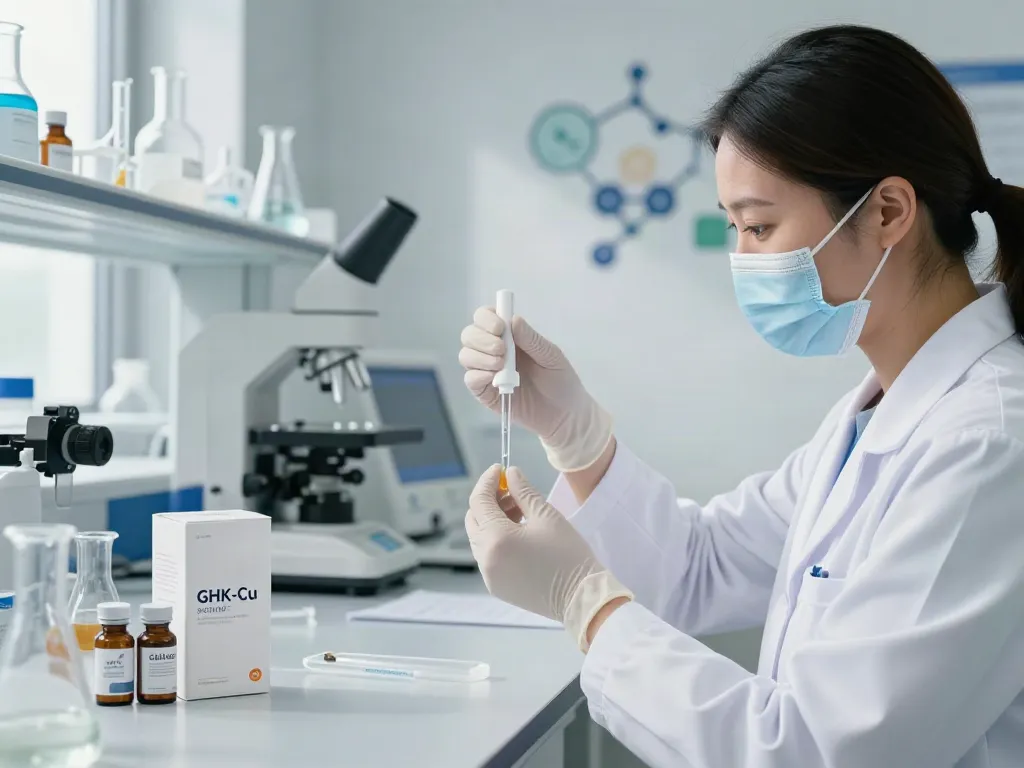
When exploring options, GHK-Cu peptide provides comprehensive insights on achieving optimal skin health. Its unique chemical structure facilitates a range of biological activities, making it a popular ingredient in both topical and injectable forms. Understanding the science behind this peptide is crucial for anyone interested in harnessing its potential for skin rejuvenation.
What is GHK-Cu Peptide?
GHK-Cu is a small peptide that consists of three amino acids: glycine, histidine, and lysine, combined with copper ions. This unique structure enables GHK-Cu to bind to various cellular receptors, resulting in a wide array of biological effects. Found naturally in human plasma, GHK-Cu plays a critical role in wound healing and tissue repair, influencing cellular functions across multiple systems.
One of the most significant aspects of GHK-Cu is its ability to enhance collagen synthesis. Collagen is a crucial protein that provides structure and elasticity to the skin. As we age, collagen production naturally declines, leading to wrinkles and sagging skin. The application of GHK-Cu has been shown to stimulate fibroblasts—cells responsible for collagen production—leading to improved skin texture and firmness.
The Science Behind GHK-Cu Peptide Benefits
Numerous studies have demonstrated the effectiveness of GHK-Cu in promoting skin health. Research indicates that this peptide can accelerate wound healing by enhancing the migration of fibroblasts and keratinocytes—key players in the skin's repair process. Additionally, GHK-Cu has been shown to exert antioxidant effects, reducing oxidative stress that contributes to skin aging.
In a study published in the National Institutes of Health, GHK-Cu applied to thigh skin for 12 weeks significantly improved collagen production in 70% of the participants treated, compared to 50% treated with traditional vitamin applications. Such findings underscore the peptide’s potential as a powerful ingredient in anti-aging formulations.
Benefits of GHK-Cu Peptide for Skin Health
Improving Collagen Production with GHK-Cu Peptide
Collagen is indispensable for maintaining skin structure and resilience. GHK-Cu peptide has been proven to boost collagen synthesis, which is vital for youthful-looking skin. Studies reveal that using products containing GHK-Cu results in a significant increase in collagen content, enhancing skin volume and reducing signs of aging.
Enhancing Skin Elasticity and Firmness
As skin elasticity diminishes with age, GHK-Cu helps restore firmness through its role in collagen production and fiber arrangement in the skin matrix. Users of GHK-Cu commonly report increased skin tightness and a noticeable reduction in sagging.
GHK-Cu Peptide for Wound Healing and Recovery
The healing properties of GHK-Cu extend beyond cosmetic enhancements. The peptide not only speeds up the recovery process following superficial wounds but also helps in the treatment of various skin conditions, including acne scars. Its ability to promote cell migration and proliferation allows for faster re-epithelialization, leading to smoother, more even skin.
Administration Methods for GHK-Cu Peptide
Topical Applications and Their Effectiveness
Topical applications of GHK-Cu are among the most popular methods for delivering its benefits to the skin. Available in serums and creams, topical GHK-Cu is relatively easy to incorporate into daily skincare routines. The effectiveness of these products often depends on their formulation, with factors such as concentration and other active ingredients playing vital roles.
Injections: Pros and Cons
Injectable GHK-Cu has gained traction, particularly in aesthetic medicine, due to its direct delivery into the dermal layers where it can exert maximum effect. While injections can provide quicker and more profound results, they also come with risks such as bruising and potential allergic reactions. Consulting with a qualified professional is essential for anyone considering this method.
Best Practices for Using GHK-Cu Peptide
- Consistency: Regular use is key to experiencing lasting benefits.
- Complementary Products: Pair GHK-Cu with other ingredients like hyaluronic acid for enhanced hydration.
- Sun Protection: Always apply sunscreen daily when using peptides to protect newly rejuvenated skin.
Potential Side Effects and Considerations
Understanding the Safety Profile of GHK-Cu Peptide
GHK-Cu is generally considered safe for topical use and has a low risk of side effects. However, assessing personal skin sensitivity is critical, as some individuals may experience mild irritation. Conducting a patch test before full application is advisable.
Addressing Common Concerns and Misconceptions
Despite its safety record, misconceptions about peptides abound. Some might question the efficacy of GHK-Cu or worry about potential side effects. Scientific evidence supports its effectiveness, and most adverse reactions are minimal, making it a reliable option for skin health.
Consulting with Professionals for Personalized Advice
For those interested in incorporating GHK-Cu into their skincare routine, consulting a dermatologist or skincare professional is the best way to tailor a program that fits individual needs and addresses specific skin concerns.
The Future of GHK-Cu Peptide in Skincare
Trends and Innovations for 2026
As skincare technology continues to advance, the future of GHK-Cu peptide looks promising. Innovations in delivery systems, such as nanotechnology, could enhance absorption and efficacy, making this peptide even more valuable in formulations.
Real-life Success Stories and Case Studies
Many users have reported significant improvements in skin texture and elasticity after consistent use of GHK-Cu products. From reducing fine lines to improving overall skin tone, success stories highlight the transformational potential of this peptide.
Where to Find and Purchase Quality GHK-Cu Peptide Products
Finding high-quality GHK-Cu peptide products is essential for maximizing benefits. Reputable brands often provide detailed ingredient lists and transparency about their sourcing. Online retailers and specialized skincare shops typically carry a wide range of options, making it easier for consumers to choose the right formulation for their needs.
What does the GHK-Cu peptide do for you?
The GHK-Cu peptide enhances skin repair, boosts collagen production, and improves elasticity. These actions lead to healthier, more youthful skin over time.
Is it safe to inject GHK-Cu every day?
While it’s generally safe, the frequency of GHK-Cu injections should be discussed with a medical professional to determine the best regimen based on individual circumstances.
What are the negative side effects of GHK-Cu?
Potential side effects are minimal but may include localized irritation or allergic reactions. Monitoring reactions after initial use is critical.
Does GHK-Cu copper peptide actually work?
Yes, numerous scientific studies support the efficacy of GHK-Cu in promoting skin health and rejuvenation.