
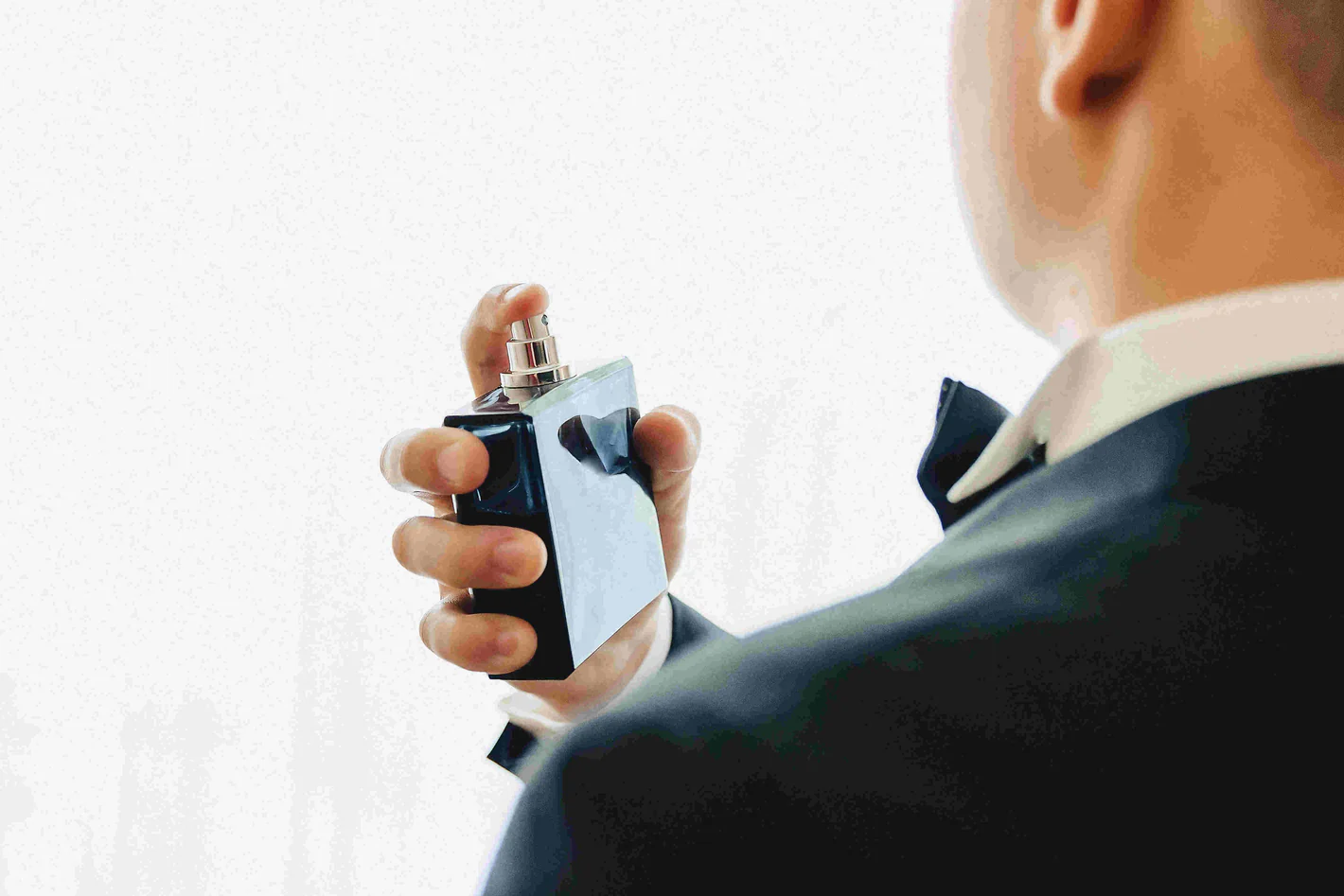
What is extrait de parfum
When people ask What is extrait de parfum they are referring to the most concentrated and powerful form of fragrance in modern perfumery. Also called parfum or perfume extract, it typically contains around 20% to 40% (or even more) fragrance oils.
This makes it the strongest and richest category of perfume available. Unlike lighter fragrances, extrait de parfum is designed to be deep, long-lasting, and intimate rather than airy or highly diffusive.
It represents the purest and most concentrated expression of a scent composition.
Why extrait de parfum is considered the strongest type of perfume
Extrait de parfum is considered the strongest type of perfume not because it always projects the furthest, but because it contains the highest concentration of aromatic compounds.
This high concentration means:
- More fragrance oils on the skin
- Less alcohol dilution
- Slower evaporation
- Longer-lasting scent presence
Because of this structure, extrait de parfum stays on the skin significantly longer than Eau de Parfum or Eau de Toilette.
What is extrait de parfum and how it compares to other perfumes
To understand what is extrait de parfum more clearly, it helps to compare it with other fragrance types.
Eau de Toilette (EDT)
- Light concentration (5%–15%)
- Fresh and airy
- Short-lasting
Eau de Parfum (EDP)
- Medium-high concentration (15%–20%)
- Balanced projection and longevity
- Most commonly used perfume type
Extrait de Parfum
- Highest concentration (20%–40%+)
- Deep, rich, long-lasting
- Close-to-skin projection
Extrait de parfum sits at the top of this hierarchy.
What is extrait de parfum and how it behaves on skin
The behavior of extrait de parfum on the skin is one of its defining features.
It typically:
- Opens gently without a strong alcohol burst
- Blends closely with natural skin oils
- Evolves slowly over many hours
- Feels smoother and more rounded
- Stays noticeable for a long time
Unlike lighter perfumes that project outward quickly, extrait de parfum develops inward, creating a personal scent experience.
What is extrait de parfum and its longevity
One of the main reasons people search what is extrait de parfum is its exceptional longevity.
Extrait de parfum can last:
- 8–12 hours on average
- Up to 24 hours or more in some cases
This happens because:
- It contains more oil-based ingredients
- It has less alcohol to evaporate quickly
- Base notes are more dominant and long-lasting
Common long-lasting base notes include musk, amber, vanilla, oud, and sandalwood.
What is extrait de parfum and its projection
Although extrait de parfum is the strongest in concentration, it does not always mean it projects the most.
- Projection: moderate to low
- Longevity: very high
This is an important distinction in perfumery. Extrait de parfum is designed to stay close to the wearer, creating a “skin scent aura” rather than a room-filling cloud.
What is extrait de parfum and scent development
Extrait de parfum is known for its slow and elegant development.
Early stage
- Soft opening
- Minimal sharpness
- Smooth introduction of scent
Middle stage
- Heart notes become dominant
- Floral, woody, or spicy elements emerge
Dry-down stage
- Base notes take over
- Warm, deep, long-lasting scent remains
This gradual evolution is one of the reasons extrait de parfum is highly valued by fragrance lovers.
What is extrait de parfum and why it feels luxurious
Extrait de parfum is often associated with luxury because of its composition and experience.
It feels luxurious due to:
- High concentration of rare ingredients
- Smooth, refined scent structure
- Longer-lasting performance
- Exclusive production in many niche brands
- More intimate wearing experience
It is often considered the most artistic version of a fragrance.
What is extrait de parfum and how to apply it
Because extrait de parfum is so concentrated, proper application is important.
Best practices include:
- Use very small amounts
- Apply to pulse points (neck, wrists, behind ears)
- Avoid over-spraying
- Let it develop naturally without rubbing
A little goes a long way, and overuse can make the scent feel too heavy.
What is extrait de parfum and who should use it
Extrait de parfum is ideal for:
- People who want long-lasting fragrance
- Luxury perfume lovers
- Those who prefer subtle, close-to-skin scents
- Evening or special occasion wearers
- Fragrance collectors
It may be less suitable for those who prefer:
- Light, fresh everyday scents
- Strong projection in public spaces
- Frequent scent changes throughout the day
What is extrait de parfum and common misconceptions
“It is always overpowering”
False. It often has less projection than Eau de Parfum.
“It is completely different from EDP”
Usually false. It is the same scent, just more concentrated and smoother.
“It is only for special occasions”
Not true. It can be worn daily in small amounts.
“You need a lot of it”
Incorrect. Small amounts are enough due to high concentration.
What is extrait de parfum in modern perfumery
In modern fragrance creation, extrait de parfum is considered the highest artistic expression of a scent.
Perfumers use it to:
- Highlight rare and expensive ingredients
- Showcase depth and complexity
- Offer a more intense version of a fragrance
- Create luxury or collector editions
It represents the most refined interpretation of a perfume’s identity.
Conclusion
Understanding what is extrait de parfum reveals why it is considered the strongest and most luxurious type of perfume. With its highest concentration of fragrance oils, exceptional longevity, and intimate skin presence, it delivers a completely different experience from lighter fragrances.
Instead of focusing on projection, extrait de parfum focuses on depth, richness, and long-lasting elegance. It is a slow, evolving scent that stays close to the skin and remains present for many hours, making it the most concentrated and refined form of modern perfumery.