Understanding People Counting Software
What is People Counting Software?
People counting software is a technological solution designed to track and analyze the number of individuals entering and exiting a specific location. This software typically utilizes various types of sensors and algorithms to provide real-time data and insights about foot traffic. By employing methods such as video analytics, infrared sensors, or Wi-Fi tracking, the software captures detailed attendance data, enabling businesses to make informed operational decisions. The effectiveness and adaptability of this technology are essential in a range of settings, from retail stores and event venues to transportation hubs.
The integration of advanced people counting software can drastically improve the efficiency of daily operations, enhance customer service, and optimize marketing strategies through better understanding of customer flow and behavior.
Key Features of People Counting Software
People counting software is characterized by several key features that enhance its utility across various industries:
- Real-time Data Tracking: Provides immediate counts of individuals entering or leaving, allowing for instant decision-making.
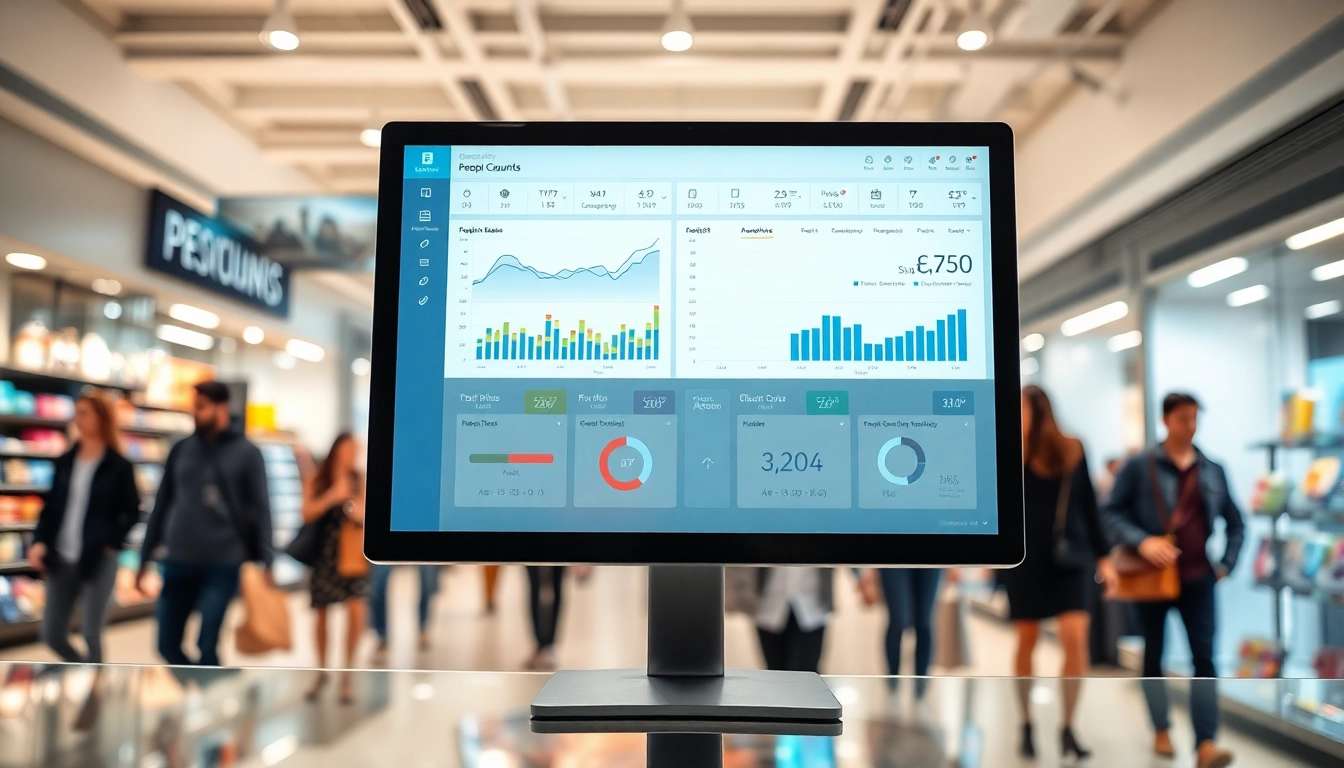
- Data Visualization: Offers graphical representations of foot traffic patterns over time, facilitating easy analysis.
- Integration Capabilities: Can be integrated with existing systems such as customer relationship management (CRM) or point of sale (POS) systems to enhance data utilization.
- Reporting and Analytics: Generates reports that highlight occupancy rates, peak hours, and conversion rates, essential for strategic planning.
- Notification Alerts: Set custom alerts for specific occupancy thresholds, ensuring compliance with safety regulations.
Importance of People Counting Software in Different Industries
Various sectors benefit from people counting software, including:
- Retail: Retailers use this technology to analyze traffic patterns, optimize layout, manage staffing levels, and improve the customer experience.
- Transportation: Airports, train stations, and bus terminals utilize people counting to manage passenger flow, enhance safety, and optimize schedules.
- Hospitality: Hotels and event venues deploy counting software to manage guest experience and maximize resource allocation during peak times.
- Museums and Attractions: These spaces track visitor numbers to enhance engagement strategies and improve visitor flow management.
Benefits of Implementing People Counting Software
Improving Customer Experience with Data
Retailers often seek to enhance the customer journey, and implementing people counting capabilities provides invaluable insights. Understanding peak visit hours allows businesses to allocate resources effectively, ensuring adequate staffing and product availability. This proactive approach not only improves customer satisfaction but also fosters loyalty as customers feel valued when their needs are promptly met.
Optimizing Operations Through Insights
People counting software offers a wealth of operational insights. By analyzing traffic patterns, businesses can identify inefficiencies in layout, staffing, and inventory management. For instance, if data reveals that certain areas experience high traffic without corresponding sales, businesses can reallocate space or adjust marketing strategies accordingly. The result is a streamlining of operations that enhances productivity and profitability.
Cost Savings and Revenue Enhancements
By accurately tracking foot traffic, businesses can significantly reduce operational costs. Efficient staffing aligns with customer needs, minimizing labor expenses during slow periods. Additionally, translating foot traffic data into targeted marketing campaigns can lead to higher conversion rates and increased sales. Overall, notable savings on resources and increased revenue demonstrate clear financial justification for adopting people counting software.
Choosing the Right People Counting Software
Factors to Consider When Selecting Software
When selecting people counting software, businesses should consider several critical factors:
- Accuracy: Ensure the software delivers reliable data under various conditions, as accuracy affects all subsequent decisions.
- Scalability: Choose a solution that can grow with your business and adapt to changing needs, including the ability to integrate additional sensors or modules.
- Cost-Effectiveness: Assess not only the upfront cost but also ongoing maintenance and subscription fees versus the anticipated ROI.
- User Interface: The software should be intuitive and easy to use, aiding staff in extracting insights without extensive training.
Evaluating Different Types of People Counting Technologies
When examining people counting technologies, businesses should be aware of various types that serve different needs:
- Infrared Sensors: Use heat signatures to detect and count people, ideal for outdoor applications or larger venues.
- Video Analytics: Employ camera systems to monitor foot traffic dynamically, offering advanced insights into customer behavior.
- Ultrasonic and Laser Sensors: Provide precise counts through sound waves or laser beams, suitable for both indoor and outdoor environments.
- Wi-Fi & Bluetooth Tracking: Leverage existing mobile technologies to count individuals based on their devices, providing an understanding of repeat visitors.
Common Mistakes to Avoid
When implementing people counting software, avoid these common pitfalls:
- Ignoring Data: Failing to analyze and use collected data can result in lost opportunities.
- Poor Integration: Not integrating software with other operational tools can hinder efficiency and data accuracy.
- Underestimating Training Needs: Not adequately training staff on the system can lead to ineffectiveness in data application.
Integration and Implementation Strategies
Steps to Integrate People Counting Software
Successful integration of people counting software involves a series of well-defined steps:
- Assess Needs: Identify specific goals and objectives for implementing the software to tailor the solution effectively.
- Choose Compatible Technology: Align sensor technology with the physical structure and requirements of your space.
- Plan Installation: Strategize placement of sensors and cameras to optimize coverage and accuracy.
- Team Training: Equip staff with the necessary knowledge and skills to leverage the software effectively.
Training Staff on Using the Software
Training ensures that staff can utilize the features of the people counting software effectively. Create a comprehensive training program that includes in-person sessions, user manuals, and ongoing support. Encourage staff to utilize the data in real-world applications, promoting a culture of data-driven decision-making within the organization.
Measuring Success and Iterating on Strategy
Establish clear KPIs to measure the success of the people counting implementation. Regularly review data reports to identify trends and adjust strategies as necessary. Continual analysis fosters a responsive organizational culture, focused on adapting to customer needs and optimizing operations based on reliable data.
Future Trends in People Counting Software
The Role of AI in People Counting Software
The future of people counting software is heavily intertwined with advancements in artificial intelligence. AI enhances the capabilities of traditional systems, allowing for improved accuracy and automation. Machine learning algorithms can refine data interpretation and provide predictive analytics, enabling businesses to anticipate future trends and customer behaviors.
Comparing Traditional vs. Modern Approaches
Traditional methods of people counting often relied on manual observation or rudimentary technologies, leading to less accuracy and unfulfilled operational potential. In contrast, modern software solutions provide real-time, data-driven insights that help to enhance decision-making processes significantly. This shift towards digital solutions is more efficient and allows for deeper analysis of foot traffic data.
Innovative Applications Beyond Retail
While retail represents a significant application of people counting software, its potential reaches beyond. Industries such as healthcare, where monitoring visitor numbers can enhance safety protocols, and education, where tracking student attendance can streamline administrative tasks, are also benefiting from this technology. The versatility of people counting software underscores its importance in various sectors.
FAQs about People Counting Software
What is the purpose of people counting software?
The primary purpose of people counting software is to monitor the number of individuals entering and exiting a space. This helps businesses in optimizing operations, improving customer experiences, and enhancing safety protocols.
How accurate is people counting software?
Modern people counting software can achieve accuracies of over 98%. However, effectiveness can depend on the type of technology and installation conditions, which should be optimized for best results.
Can people counting software integrate with other systems?
Yes, many people counting software solutions offer integration capabilities with existing systems such as CRM and POS, enabling a more holistic view of customer interactions and enhancing operational workflows.
What industries benefit from people counting software?
Industries such as retail, transportation, hospitality, education, and healthcare benefit significantly from people counting software, using it to optimize operations and improve customer experiences.
How can people counting data improve marketing strategies?
By analyzing foot traffic patterns, businesses can tailor marketing strategies to target specific customer segments at optimal times, ultimately enhancing the effectiveness of campaigns and increasing conversion rates.