The Science Behind Age Estimation
Understanding the nuances of age estimation has become increasingly popular, particularly as technology continues to evolve. The quest to determine age accurately, especially through AI and machine learning, has revolutionized how we perceive ourselves and how others may perceive us. With platforms increasingly utilizing AI tools to provide quick insights into our age based on facial features, the question of "how old do I look" has taken center stage in both casual and scientific discussions alike. This article delves into the science behind age estimation, exploring its mechanisms, methodologies, and practical applications.
What is Facial Age Estimation?
Facial age estimation refers to the process of determining a person's perceived age based on visual characteristics present in their facial features. This technique combines various disciplines, including psychology, dermatology, and computer science, to create algorithms that can analyze and interpret what makes a face appear older or younger. Many users turn to these estimators out of curiosity or as a means of assessing their skincare and lifestyle choices.
How AI Technology Works in Age Prediction
At the core of modern age estimation tools is artificial intelligence (AI) and machine learning algorithms. These programs are designed to analyze thousands of facial images to recognize patterns associated with aging. By examining features such as wrinkles, skin texture, and even facial structure, AI can make calculations about an individual's perceived age. Various datasets, often consisting of labeled images by age, provide the necessary training for these models, enabling them to produce increasingly accurate results over time.
Key Factors Influencing Perceived Age
- Skin Condition: Factors like elasticity, moisture, and pigmentation all contribute to how age is perceived.
- Facial Structure: Features such as cheekbone prominence, jawline firmness, and overall facial symmetry can influence age perception.
- Wrinkles and Fine Lines: The presence and depth of wrinkles are significant indicators of aging.
- Hair Color and Thickness: Graying or thinning hair can also affect perceived age.
How to Use Age Estimation Tools Effectively
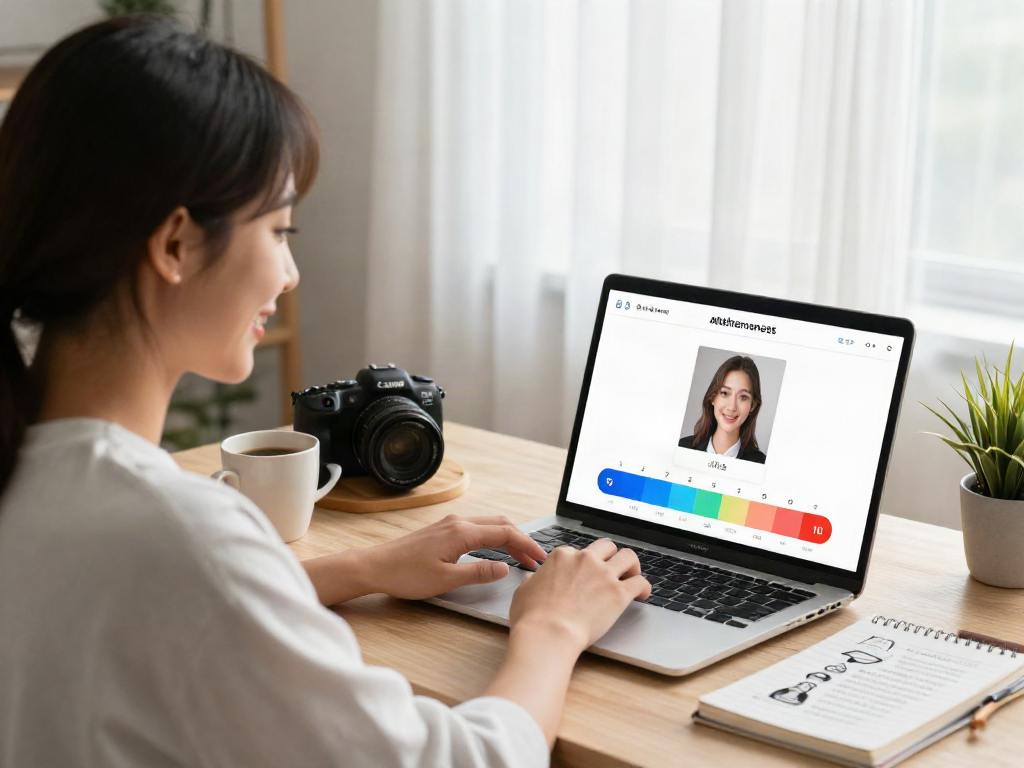
Using age estimation tools can be an enlightening experience, but achieving accurate results requires understanding the process. For those exploring these options, how old do I look tools provide comprehensive insights into how our faces reflect age with nuanced analysis and user-friendly interfaces.
Step-by-Step Guide to Uploading Your Photo
- Choose a clear, high-quality photo that best represents your face.
- Upload the photo to the age estimation tool of your choice.
- Follow any additional steps required by the tool, like adjusting the cropped area to focus on the face.
- Submit your photo and wait for the algorithm to process the image.
Common Issues Users Face When Using AI Tools
While using AI-driven age estimation tools is relatively straightforward, users often encounter challenges, including:
- Image quality issues: Blurry or poorly lit photos may yield inaccurate results.
- Facial expression: A smile or frown can alter perceptions significantly; thus, neutral expressions are recommended.
- Background distractions: Ensure the focus is solely on the face to avoid misinterpretation.
Best Practices for Getting Accurate Results
To maximize the accuracy of your age estimation, consider these best practices:
- Use high-resolution images in natural lighting.
- Avoid heavy makeup, as this can obscure natural features.
- Choose a direct, forward-facing angle with an unobstructed view of the face.
Interpreting Your Results: What Do They Mean?
Once you've received your age estimate, understanding what it signifies is essential. The differences between biological and chronological ages can provide valuable insights into your overall health.
Understanding Biological vs. Chronological Age
Chronological age is the number of years since birth, while biological age refers to how old your body appears based on physical and physiological factors. Factors like genetics, lifestyle, diet, and environment can significantly impact biological aging, leading to discrepancies between the two.
How to React to Your Age Estimate
Receiving an age estimate can elicit various emotions, from surprise to disappointment. It's crucial to view this number as a reflection of certain facial features rather than a definitive judgment of worth or beauty.
What Your Estimated Age Says About You
Your estimated age can offer insights into your lifestyle choices, skin health, and even stress levels. For instance, individuals with a well-maintained skincare routine and healthy habits may appear younger than their actual age.
Enhancing Your Appearance Based on Age Predictions
Understanding how age is perceived can empower you to enhance your appearance strategically. Here are some tips based on your estimated age.
Skincare Tips for Different Age Groups
Each decade comes with unique skincare needs:
- 20s: Focus on hydration and prevention; consider incorporating antioxidants.
- 30s: Begin using products with retinoids to support cell turnover.
- 40s: Invest in richer moisturizers and treatments targeting fine lines.
- 50s and beyond: Prioritize thick, nourishing creams and serums to combat dryness.
Fashion Choices That Suit Your Age Profile
Your fashion choices can also reflect your perceived age positively:
- Opt for classic staples that flatter your body type regardless of your actual age.
- Layering can add complexity and sophistication to your outfits.
- Accessorize wisely; the right accessories can have an age-defying effect.
Health and Lifestyle Adjustments to Consider
Adopting a healthy lifestyle can improve both your physical and perceived age:
- Implement a balanced diet rich in fruits, vegetables, and lean proteins.
- Engage in regular physical activity to maintain muscle tone and flexibility.
- Ensure adequate sleep for better skin health and overall well-being.
The Future of Age Estimation Technology
The landscape of age estimation technology is evolving rapidly, presenting exciting potentials for personal and professional applications.
Emerging Trends in AI and Age Prediction
As AI becomes more advanced, emerging trends suggest that age estimation tools will incorporate more complex datasets, including genetic information and lifestyle factors, to provide even more personalized insights.
Potential Applications Beyond Personal Use
Aside from personal use, age estimation tools hold tremendous potential in industries such as marketing, beauty, and health care, where understanding customer demographics can lead to better-targeted services and products.
Ethical Considerations and Privacy Concerns
With technology advancing comes the responsibility to address ethical concerns, particularly regarding data privacy. Transparency about how data is used and ensuring that users' information remains confidential will be essential to maintain trust in these tools.
How accurate is the AI age prediction tool?
AI age prediction tools can offer surprising accuracy, but factors such as photo quality, facial expressions, and lighting can influence results.
Can I use a selfie to determine how old do I look?
Yes, most tools can analyze selfies, but ensure the image is of high quality and well-lit for the best results.
What factors can affect the accuracy of age estimation?
Elements such as facial expressions, background distractions, and image clarity significantly impact accuracy.
Are there age challenges or games online?
Many online platforms and social media features allow users to engage in fun challenges, testing their true age perception through various interactive formats.
What should I do if I’m unhappy with my age prediction?
If you find the results less than flattering, consider using the insights gained to adapt skincare or lifestyle habits for a more positive outcome.