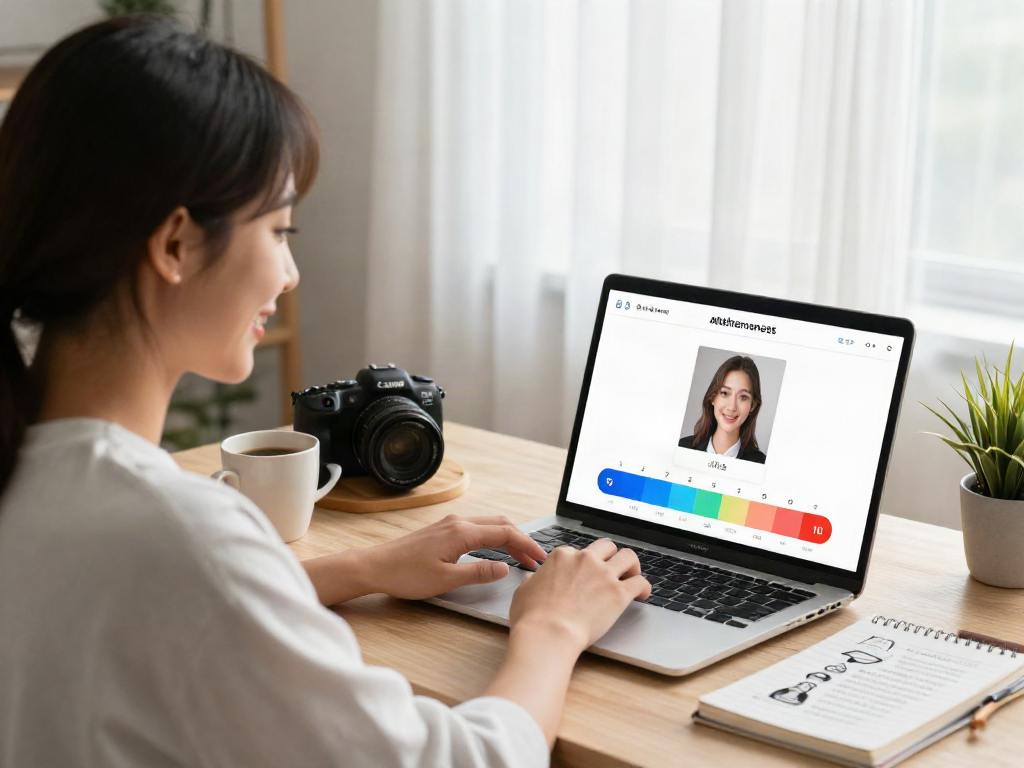
Understanding Attractiveness Tests
Attractiveness tests have become increasingly popular in recent years, leveraging advanced technology and AI algorithms to provide insights into personal beauty. These tools assess various features such as facial symmetry, proportions, and aesthetic appeal. As society continues to grapple with beauty standards, many individuals turn to online platforms to test attractiveness and gain a clearer understanding of their own appeal. This article delves into the intricacies of attractiveness tests, examining their methodology, the science behind beauty ratings, and the misconceptions surrounding them.
What is an Attractiveness Test?
An attractiveness test typically involves the submission of a photograph, which is then analyzed using an AI-powered algorithm. These tests can offer scores or ratings that reflect the perceived beauty of the individual based on various metrics. Common parameters assessed include facial symmetry, the golden ratio, and other features correlated with societal standards of beauty. While these tests can be entertaining, it is essential to approach them with an understanding of their limitations and the subjective nature of attractiveness.
How AI Algorithms Rate Attractiveness
AI algorithms utilize complex mathematical models and vast datasets to evaluate facial features. By analyzing images alongside statistical data on attractiveness, these systems can determine how closely an individual's facial structure adheres to recognized patterns of beauty. Factors such as the distances between facial features, angles, and overall symmetry play crucial roles in these assessments. However, the accuracy of these ratings can vary, and they should not be taken as definitive judgments of one's attractiveness.
Common Misconceptions about Attractiveness
Many misconceptions surround the concept of attractiveness. For instance, people often believe that attractiveness is solely about physical appearance; however, traits such as confidence, personality, and even voice can significantly influence perceived beauty. Moreover, cultural differences can lead to varying definitions of attractiveness, which algorithms may not fully account for. Understanding these nuances is critical when interpreting the results of attractiveness tests.
The Science Behind Beauty Ratings
Attractiveness is often considered a subjective concept, but scientific research has identified several key factors that contribute to our perceptions. This section highlights the empirical findings that underpin many of the models used in attractiveness testing, revealing the complex interplay between biology, psychology, and culture.
The Role of Facial Symmetry in Attractiveness
Facial symmetry is frequently cited as a primary determinant of attractiveness. Studies suggest that more symmetrical faces are generally perceived as more beautiful. This is thought to be an evolutionary response; symmetrical features can indicate good health and genetic fitness. During attractiveness tests, facial symmetry is often quantified, providing a metric that aligns with traditional beauty standards.
Psychological Factors Influencing Perceptions of Beauty
Psychology plays a significant role in how we perceive beauty. Factors such as familiarity, context, and even mood can influence our judgments. For example, research indicates that individuals are often attracted to faces that resemble their own, a phenomenon known as the "mere-exposure effect." These psychological elements are essential considerations when evaluating the output of attractiveness tests.
Evaluating Beauty Standards Across Cultures
Beauty is not universal; it varies significantly across different cultures and societies. What is considered attractive in one culture may not hold the same value in another. This cultural relativity complicates the interpretation of attractiveness test results. For instance, certain traits may be favored based on cultural heritage or social norms. Awareness of these differences can provide a richer context for understanding individual attractiveness scores.
How to Test Attractiveness Effectively
With numerous platforms available for determining attractiveness, selecting the right one can be challenging. This section offers guidance on how to choose the best platform, prepare for the test, and interpret the scores you receive.
Choosing the Right Attractiveness Test Platform
When selecting an attractiveness test platform, it is vital to consider the technology and methodology used. Look for services that employ robust AI algorithms and provide detailed analyses rather than simple scores. Reading user reviews and understanding how the platform generates ratings can guide you in making an informed decision.
Tips for Uploading the Best Selfie
The quality of the photo can significantly impact the accuracy of an attractiveness test. Here are some tips to ensure your selfie yields the best results:
- Use natural lighting to highlight your features.
- Avoid heavy makeup or filters, as they can skew results.
- Ensure your face is clearly visible, and avoid distracting backgrounds.
- Experiment with different angles to find the most flattering position.
Interpreting Your Attractiveness Score
After receiving your attractiveness score, it is essential to process this information constructively. Remember that these scores are merely reflections of certain physical traits and do not define your overall worth. Use the insights gained to understand areas where you might wish to enhance your appearance, but also celebrate your unique features.
Future Trends in Attractiveness Testing
As technology progresses, the landscape of attractiveness testing is expected to evolve significantly. This section explores innovative trends and predictions for the future of beauty analysis.
Innovations in AI and Beauty Analysis
The future of attractiveness testing will likely see even more sophisticated AI algorithms that can integrate a broader array of factors. Advances in machine learning could enable these systems to provide more personalized assessments, taking into account individual preferences and cultural influences. Moreover, virtual reality might offer immersive experiences for users wanting to visualize their beauty scores in various contexts.
The Impact of Social Media on Attractiveness Ratings
Social media platforms have already influenced beauty standards and perceptions of attractiveness. The growing prevalence of beauty filters and curated images impacts how individuals view themselves and others. This phenomenon suggests that the attractiveness testing landscape will need to adapt, potentially incorporating social media metrics to enhance personalization and relevance.
Predictions for Attractiveness Testing in 2026
By 2026, we may see a more integrated approach to attractiveness testing, where AI assessments are combined with user feedback and social trends. Platforms might evolve to offer not only a score but also actionable insights for enhancing personal beauty. Furthermore, the dialogue around diversity and inclusivity in beauty standards will likely shape the criteria used by these tests.
Improving Your Attractiveness Score
While attractiveness is subjective, there are practical steps individuals can take to enhance their perceived beauty. This section outlines actionable tips for improving your attractiveness score through both physical enhancements and psychological well-being.
Practical Tips for Enhancing Facial Features
Focusing on certain facial features can make a significant difference in enhancing attractiveness. Some practical strategies include:
- Maintain a healthy diet rich in vitamins for glowing skin.
- Consider professional grooming to shape eyebrows and facial hair.
- Practice good posture to enhance your overall appearance.
The Role of Skincare and Grooming
A well-established skincare routine can significantly improve your facial aesthetics. Employing products suitable for your skin type, regularly exfoliating, and moisturizing can yield positive results. Grooming, including haircuts and skincare, should not be overlooked as crucial components in enhancing attractiveness.
Building Confidence and Self-Acceptance
Ultimately, confidence can be one of the most attractive qualities a person can possess. Engaging in activities that promote self-esteem, such as public speaking or social engagement, can help improve how you carry yourself. Remember, self-acceptance is essential in the journey toward recognizing your unique beauty.
How can I test my attractiveness?
Testing your attractiveness can be done easily through various online platforms that provide AI-powered assessments. Simply upload a clear photo, and the algorithm will provide an evaluation based on facial features.
Is 7 out of 10 considered attractive?
A score of 7 out of 10 is often considered quite attractive by many standards, reflecting a favorable perception of beauty among peers.
Is there an accurate attractiveness test?
While no test can claim absolute accuracy due to the subjective nature of beauty, reputable AI-based tests can provide insights based on empirical data and established beauty standards.
Is a 6.5 out of 10 attractive?
A score of 6.5 can still be viewed as attractive, as ratings are often relative and depend on the standards of the evaluator.
What factors influence attractiveness ratings?
Attractiveness ratings are influenced by various factors, including facial symmetry, skin health, features that align with societal beauty standards, and even personal confidence and charisma.